
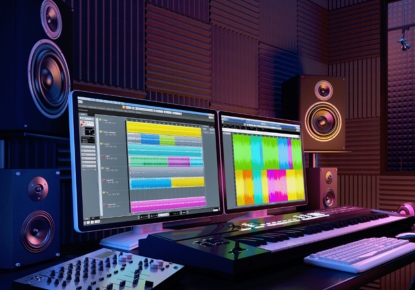
There’s something magical about sound. A perfectly mixed song can give you goosebumps. A well-designed background score can make a movie unforgettable. Even the clarity of a podcast can decide whether someone keeps listening or switches it off. Behind all of this magic stands a skilled sound engineer.
Over the past decade, Sound Engineering in India has transformed from a niche profession into a thriving and respected career path. With the explosion of streaming platforms, independent music, regional cinema, YouTube content, gaming, and live events, the demand for trained audio professionals has grown faster than ever before.
If you’ve ever wondered whether sound engineering is a stable career in India, what courses to choose, what salary to expect, or how to get started, this detailed guide will answer everything in simple, practical terms.
What is Sound Engineering?
Sound engineering is the art and science of recording, editing, mixing, and reproducing sound. It blends creativity with technology. A sound engineer doesn’t just press buttons; they shape emotions using audio tools.
In India, sound engineers work in:
-
Film production
-
Music studios
-
OTT platforms
-
Live concerts and events
-
Radio stations
-
Gaming companies
-
Advertising agencies
-
Podcast studios
-
YouTube production houses
From setting up microphones to mastering final tracks, their role is crucial at every stage of audio production.
Why Sound Engineering is Growing Rapidly in India
India’s entertainment industry is one of the largest in the world. Consider these factors:
1. Massive Film Industry
From Bollywood to South Indian cinema, India produces thousands of films every year. Each film requires dialogue editing, sound design, background scoring, mixing, and mastering.
2. OTT Boom
Platforms like Netflix, Amazon Prime, and regional streaming services have increased demand for high-quality sound production.
3. Independent Music Revolution
Independent artists are no longer dependent only on big labels. Home studios and digital releases have opened new doors for audio engineers.
4. Live Event Industry
Music festivals, college fests, corporate events, and weddings require professional live sound engineers.
5. Podcast & Content Creation Growth
With India’s digital audience growing daily, podcasts and YouTube channels need quality audio production.
All of this has created real opportunities for skilled professionals in sound engineering in India.
Types of Sound Engineering Careers in India
Many students think sound engineering means only working in a music studio. That’s not true. The field is much broader.
1. Recording Engineer
Handles microphone placement and recording sessions in studios.
2. Mixing Engineer
Balances different audio tracks to create a polished sound.
3. Mastering Engineer
Prepares final audio for distribution across platforms.
4. Live Sound Engineer
Manages sound during concerts, shows, and events.
5. Sound Designer
Creates special sound effects for films, games, and ads.
6. Broadcast Engineer
Works in radio and television networks.
7. Music Producer
Guides artists creatively and technically during music production.
Skills Required to Succeed in Sound Engineering
You don’t need to be a musical genius, but certain skills definitely help:
-
Good listening ability
-
Technical curiosity
-
Patience
-
Creativity
-
Basic understanding of music
-
Problem-solving mindset
-
Ability to work long hours
Most importantly, passion matters. Sound engineering requires both dedication and consistent practice.
Educational Qualifications for Sound Engineering in India
There is no single fixed path. Students can start after 10th or 12th grade depending on the course type.
Common Course Options:
-
Certificate Courses (3–6 months)
-
Diploma in Sound Engineering (6–12 months)
-
Advanced Diploma Programs
-
Degree in Audio Engineering or Music Production
Practical exposure is more important than just theory. Always choose institutes that provide hands-on training.
What You Learn in a Sound Engineering Course
A well-structured sound engineering course in India usually covers:
-
Basics of sound and acoustics
-
Microphone types and placement techniques
-
Recording techniques
-
Mixing and mastering
-
Live sound setup
-
DAWs (Digital Audio Workstations)
-
Studio setup and acoustics
-
Sound design basics
-
Film audio production
Hands-on practice inside a real studio environment makes a big difference.
Software Used in Sound Engineering
Most professional studios in India use industry-standard software such as:
-
Pro Tools
-
Logic Pro
-
Cubase
-
Ableton Live
-
FL Studio
Learning these tools gives students a competitive advantage in the industry.
Salary Scope of Sound Engineering in India
Salary depends on skills, experience, and city.
Beginner Level:
?15,000 – ?30,000 per month
Mid-Level:
?40,000 – ?70,000 per month
Experienced Professionals:
?1 lakh+ per month (project-based or freelance)
Freelancing can sometimes earn even more depending on network and reputation.
Top Cities for Sound Engineering Opportunities in India
Certain cities offer better exposure:
-
Mumbai
-
Chennai
-
Hyderabad
-
Bangalore
-
Delhi
-
Kolkata
-
Guwahati (emerging market in Northeast India)
Mumbai remains the hub due to Bollywood, but regional industries are growing fast.
Challenges in a Sound Engineering Career
Every career has challenges. Sound engineering is no different.
-
Irregular working hours
-
High competition
-
Project-based income in freelancing
-
Need for continuous skill upgrade
However, for passionate individuals, the rewards outweigh the challenges.
Is Sound Engineering a Good Career in India?
Yes — if you are genuinely interested in sound and music.
This field may not suit someone looking for a typical 9-to-5 corporate job. But if you enjoy creative work, studio environments, and technical tools, sound engineering can be deeply satisfying.
The Indian entertainment and digital industry is expanding continuously. Skilled professionals will always be needed.
How to Choose the Right Sound Engineering Institute
Before enrolling, check:
-
Practical studio exposure
-
Experienced faculty
-
Placement support
-
Internship opportunities
-
Updated software and equipment
-
Alumni success stories
Avoid institutes that focus only on theory without practical sessions.
Future of Sound Engineering in India
The future looks promising because:
-
OTT content production is increasing
-
Regional cinema is expanding
-
Gaming industry is growing
-
Digital marketing needs audio branding
-
Podcasts are becoming mainstream
Audio quality matters more than ever. That means trained sound engineers will remain in demand.
Frequently Asked Questions (FAQ)
1. What is the minimum qualification required for sound engineering in India?
Most diploma courses require 10+2 (12th pass). Some certificate courses allow students after the 10th.
2. How long does it take to complete a sound engineering course?
It depends on the program. Certificate courses may take 3–6 months, while diploma programs can take 6–12 months.
3. Is sound engineering a stable career in India?
Yes, especially with the growth of OTT, music streaming, gaming, and digital media industries.
4. Can I become a sound engineer without a music background?
Yes. Basic music understanding helps, but technical skills and practice are more important.
5. What is the starting salary of a sound engineer in India?
Beginners usually earn between ?15,000 and ?30,000 per month. Income increases with experience.
6. Which software should I learn for sound engineering?
Popular industry tools include Pro Tools, Logic Pro, Cubase, and Ableton Live.
7. Is freelancing better than a studio job?
Both have advantages. Studio jobs provide stability, while freelancing offers flexibility and higher earning potential.
8. Does sound engineering require expensive equipment at home?
Not necessarily at the beginning. Many students practice in institute studios before investing in personal equipment.
9. Which city is best for sound engineering in India?
Mumbai offers the most opportunities, but other cities like Chennai, Hyderabad, and Bangalore are also strong markets.
10. Is sound engineering only related to music?
No. It also includes film audio, gaming sound design, radio broadcasting, podcast production, and live events.
Final Thoughts
Sound Engineering in India is no longer a hidden career path. It is a growing, exciting, and creative profession with real opportunities across multiple industries.
If you love music, enjoy technology, and want a career that combines creativity with technical expertise, sound engineering could be the right choice for you. With the right training, hands-on experience, and dedication, you can build a strong and rewarding career in India’s expanding audio industry.
The industry needs passionate professionals. If sound excites you, this might just be your calling.