
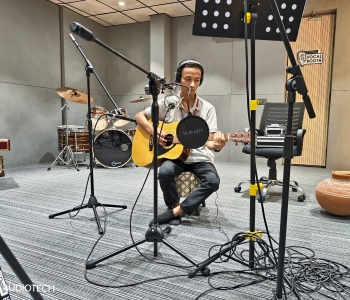
The Indian music, film, OTT, gaming, and live-event industries are growing faster than ever—and at the heart of this growth is audio engineering. From recording studios and film sets to live concerts and digital streaming platforms, skilled audio engineers are in high demand.
If you’re searching for audio engineering courses in India, this guide will help you understand everything: course types, eligibility, career scope, skills required, and why professional training is the key to success.
What Is Audio Engineering?
Audio engineering is the art and science of recording, mixing, editing, and mastering sound. An audio engineer works with music, dialogue, sound effects, and live audio systems to ensure the highest sound quality across platforms.
Audio engineering is used in:
Music production
Film & OTT platforms
Television & radio
Live concerts & events
Gaming & animation
Podcasts & digital content
India has become a major hub for entertainment and digital media. With thousands of music releases, films, web series, and live shows every year, the need for trained audio professionals is constantly increasing.
Rapid growth of music & OTT industries
Affordable course options compared to abroad
Real-world studio exposure
Increasing freelance & global work opportunities
Strong demand for skilled professionals
Duration: 6 months – 1 year
Ideal for beginners
Focus on practical skills
Studio-oriented training
Short-term skill-based programs
Perfect for musicians, DJs, content creators
Hands-on learning with equipment
For students who want industry-level expertise
Covers mixing, mastering, post-production, live sound
Project-based learning
Often used interchangeably with audio engineering, sound engineering focuses more on live sound, acoustics, and system design, making it ideal for concerts and events.
Basic eligibility includes:
10+2 pass (any stream)
Passion for music and sound
Basic computer knowledge
Creative mindset and good listening skills
Some institutes may conduct aptitude or interaction sessions, but talent and interest matter more than marks.
A professional audio engineering course in India teaches:
Sound recording techniques
Studio equipment handling
Mixing & mastering
Digital Audio Workstations (DAWs)
Live sound setup
Microphone placement
Acoustics & signal flow
Music production basics
After completing an audio engineering course, you can work as:
Audio Engineer
Sound Engineer
Music Producer
Mixing & Mastering Engineer
Live Sound Engineer
Studio Assistant
Podcast Engineer
Sound Designer
Recording studios
Film & OTT production houses
Radio & TV channels
Live event companies
Gaming studios
Freelancing & remote projects
With experience, many audio engineers also start their own studios or work globally online.
Salary depends on skill, experience, and location.
Freshers: ?15,000 – ?30,000/month
Experienced professionals: ?50,000 – ?1,00,000+/month
Freelancers: Unlimited earning potential
Skill-based growth makes audio engineering a long-term creative career.
Before enrolling, look for:
Practical training over theory
Industry-experienced trainers
Modern studio equipment
Internship or project opportunities
Career guidance & placement support
A professional institute that focuses on real-world skills gives you a strong advantage in the industry.
The future is bright ????
With:
Growth of OTT platforms
Independent music boom
Podcast industry expansion
Gaming & AR/VR sound demand
Audio engineering is becoming one of the most future-proof creative careers in India.
1. What are the best audio engineering courses in India?
The best audio engineering courses focus on hands-on studio training, industry tools, and real projects rather than just theory.
2. Is audio engineering a good career in India?
Yes. With the growth of music, OTT, live events, and digital content, audio engineering offers strong career opportunities and freelancing potential.
3. What is the duration of audio engineering courses in India?
Courses range from 3-month certificate programs to 1-year diploma and advanced professional courses.
4. Do I need a science background for audio engineering?
No. Students from any stream can pursue audio engineering courses in India.
5. What is the difference between audio engineering and sound engineering?
Audio engineering mainly focuses on recording, mixing, and production, while sound engineering often emphasizes live sound and acoustics.
6. Can I earn money as a freelance audio engineer?
Yes. Many audio engineers work as freelancers for music production, podcasts, films, and international clients.
7. Is audio engineering suitable for musicians?
Absolutely. Musicians benefit greatly by learning audio engineering to record, mix, and produce their own music.
Choosing the right audio engineering course in India can completely transform your passion for sound into a professional career. With the right training, dedication, and creativity, audio engineering opens doors to both Indian and global opportunities.